
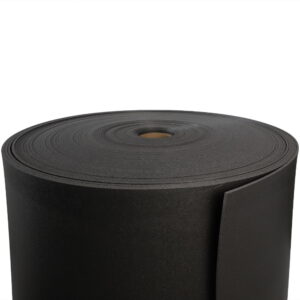
EPDM foam sheet is a flexible and durable foam sheet type produced from ethylene propylene diene monomer (EPDM) rubber. It is resistant to harsh weather conditions, UV rays, and ozone, which is why it is mostly preferred for outdoor applications. It is widely used in various sectors due to its properties such as thermal insulation, sound insulation, and sealing.
Properties of EPDM Foam Sheets
- Air and Water Sealing: Provides excellent sealing due to its flexible structure, preventing water and air passage.
- Temperature Resistance: Resistant to temperatures between -40°C and 120°C, making it long-lasting in outdoor applications.
- UV and Ozone Resistance: Shows resistance to sunlight, ozone, and other environmental factors, making it suitable for long-term use.
- Flexibility and Impact Absorption: Offers impact absorption properties due to its soft and flexible structure, dampening vibrations and impact effects.
- Fire Resistance: Versions with enhanced fire resistance are also available by adding flame retardant additives.
Applications of EPDM Foam Sheets
- Automotive Industry: Used as vehicle door seals, engine compartment insulation, and vibration dampeners.
- Construction and Building Sector: Preferred for exterior facade cladding, window and door perimeter insulation, roof insulation, and insulation purposes in HVAC (heating, ventilation, and air conditioning) systems.
- White Goods: Used to provide sealing in electrical appliances, especially around products like refrigerators and air conditioners.
- Electrical and Electronics: Used in electrical panels and electronic boxes to prevent water and dust ingress.
- Industrial Equipment: Used in heavy machinery and equipment for vibration dampening and impact absorption purposes.
EPDM foam sheets provide reliable insulation for extended periods, especially outdoors, due to their durability and ability to withstand a wide temperature range. Their resistance to UV, ozone, and environmental factors, combined with thermal and water insulation properties, makes them a preferred material in many sectors.