
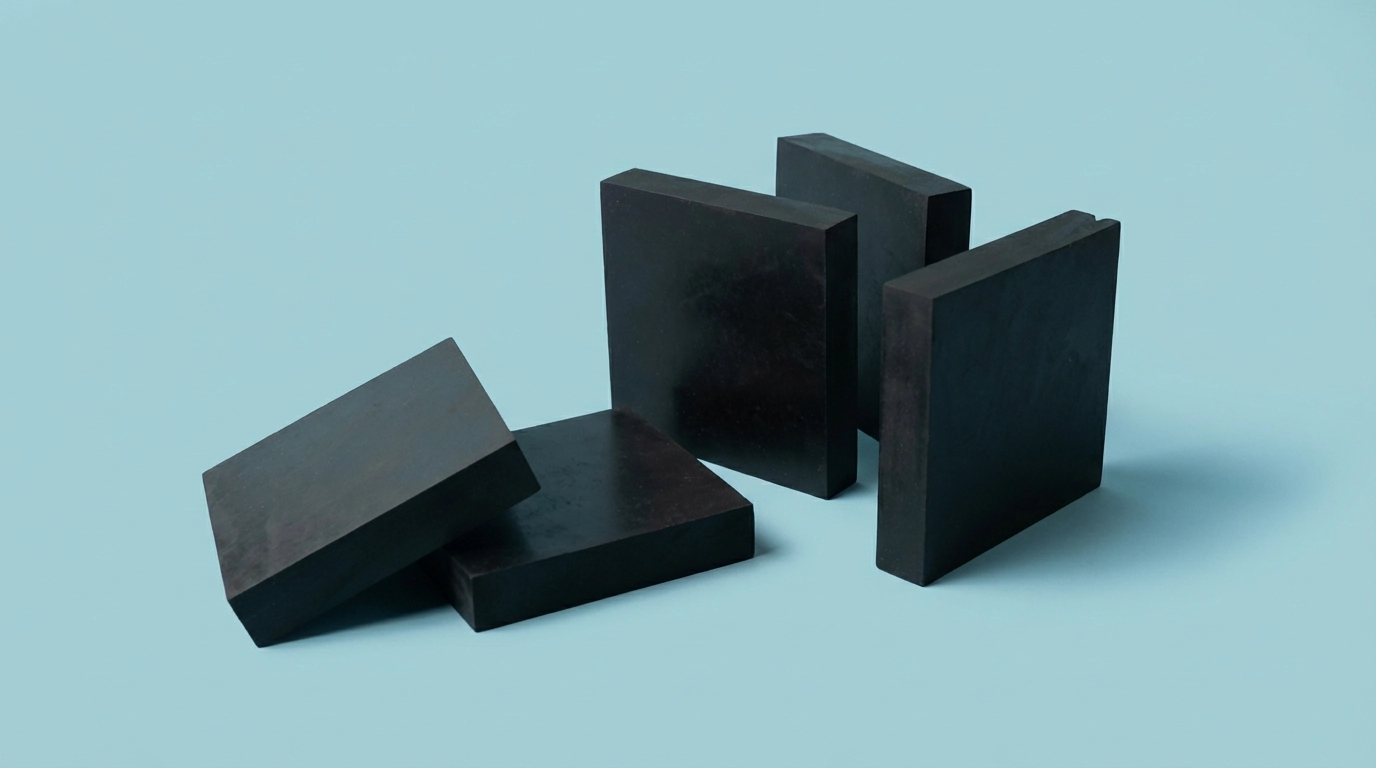
Can a Rubber Pad Really Support 2 Tons, 5 Tons or More?
One of the most common questions we receive from customers is:
“Can this rubber pad support 2 tons?”
The short answer is yes—but not every rubber pad is designed for the same load.
A rubber support pad should never be selected based only on the total machine weight. To determine the correct rubber pad, several engineering factors must be evaluated.
At RUBBERSAN, we manufacture custom rubber support pads, rubber blocks, vibration isolation pads, and load-bearing rubber components in Turkey, supplying customers throughout Europe and the Middle East.
Why Machine Weight Alone Is Not Enough
Many buyers tell us:
- “My machine weighs 2 tons.”
- “This equipment weighs 5,000 kg.”
- “Can your rubber block carry 10 tons?”
Unfortunately, this information alone is not enough.
The correct rubber support pad depends on several factors:
- Total machine weight
- Number of support points
- Load per rubber pad
- Contact surface area
- Rubber hardness (Shore A)
- Rubber compound (NR, SBR, EPDM, NBR, Neoprene)
- Static or dynamic load
- Safety factor
- Expected compression
Example: A 2-Ton Machine

Suppose a machine weighs 2,000 kg.
If it has 4 support points, each rubber pad carries approximately:
2,000 kg ÷ 4 = 500 kg
However, this is only the starting point.
Engineers must also consider:
- Uneven load distribution
- Machine vibration
- Shock loads during operation
- Installation conditions
- Continuous operating time
A properly designed rubber pad can safely support this load while reducing vibration and protecting the floor.
Can One Rubber Pad Carry 2 Tons?
Yes, it is possible.
However, the answer depends on:
- Pad dimensions
- Thickness
- Rubber hardness
- Compression ratio
- Material quality
- Safety margin
A small rubber pad may deform excessively under 2 tons, while a larger engineered pad can easily support much higher loads.
How Is Rubber Load Capacity Calculated?
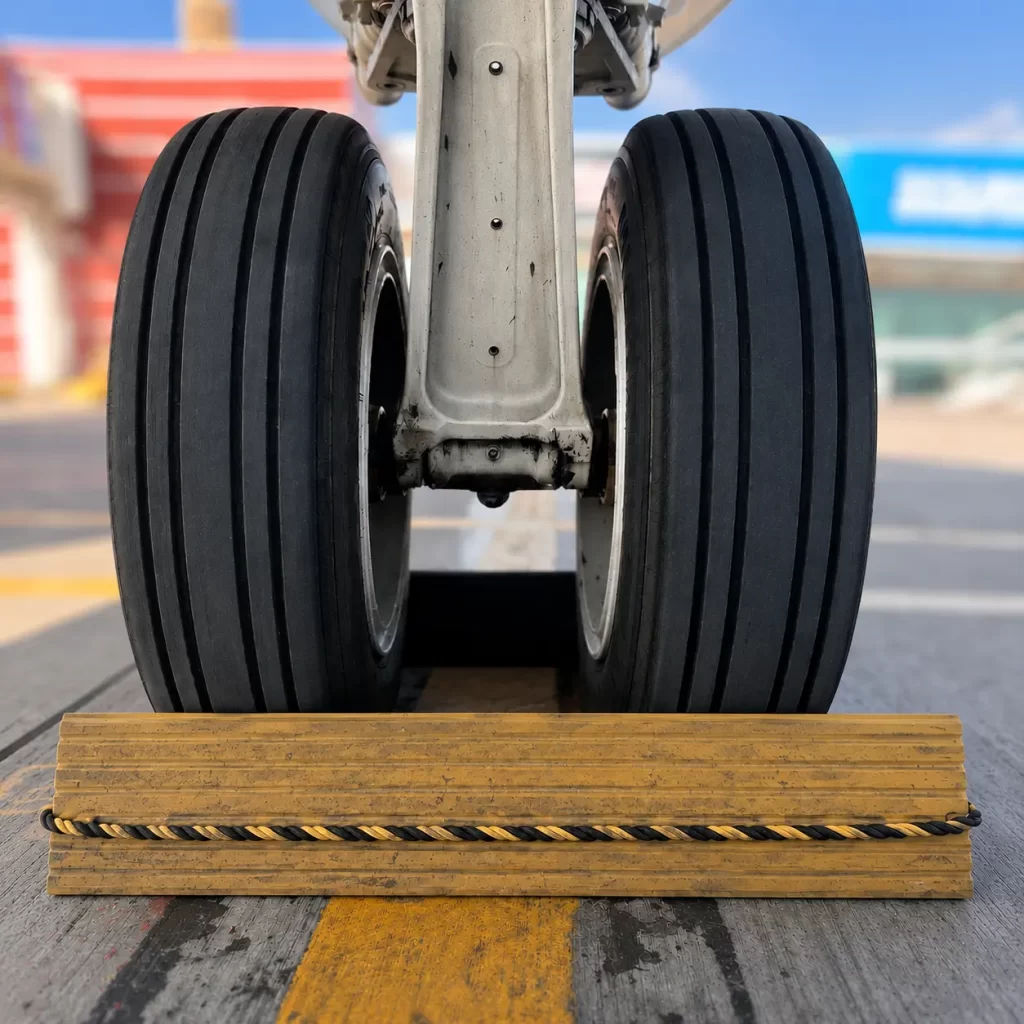
Engineers evaluate:
1. Load (kg or tons)
The actual force applied.
2. Contact Area
A larger contact area distributes pressure more effectively.
3. Compression Stress
The rubber must remain within its allowable working stress.
4. Rubber Compound
Different materials perform differently.
For example:
- Natural Rubber (NR): Excellent elasticity
- SBR: Cost-effective for general industrial use
- EPDM: Excellent weather and ozone resistance
- NBR: Ideal for oil-resistant applications
- Neoprene: Good all-round industrial performance
Why Hardness Matters
Rubber hardness is measured in Shore A.
Generally:
- Softer rubber provides better vibration isolation.
- Harder rubber supports heavier static loads with less deformation.
Choosing the correct hardness is essential for long-term performance.
Static Load vs Dynamic Load
Another common mistake is assuming machine weight is the only load.
Machines often generate:
- Vibration
- Impact
- Cyclic loading
- Sudden shocks
Dynamic loads can significantly increase the stress on the rubber support pad.
This is why experienced manufacturers always consider both static and dynamic operating conditions.
What Information Should You Provide?
To recommend the correct rubber support pad, we typically ask for:
- Machine weight
- Number of support points
- Pad dimensions (if available)
- Operating environment
- Indoor or outdoor use
- Presence of oil or chemicals
- Expected vibration level
With this information, we can recommend the most suitable rubber compound, hardness, and dimensions.
Custom Rubber Support Pads from RUBBERSAN
At RUBBERSAN, we manufacture custom rubber support pads according to customer requirements.
Our products are used in:
- Industrial machinery
- Compressors
- Generators
- CNC machines
- Pumps
- Transformers
- Heavy equipment
- Steel structures
- Rail systems
- Construction machinery
Every project is evaluated individually to ensure the correct load-bearing performance and service life.
Conclusion
A rubber pad should never be selected based only on the total machine weight.
A statement such as “My machine weighs 2 tons” is only the beginning. The correct solution depends on load distribution, contact area, rubber compound, hardness, and operating conditions.
Working with an experienced manufacturer ensures reliable performance, reduced vibration, and a longer service life.
If you are unsure which rubber pad is suitable for your equipment, our engineering team can help you select or manufacture a custom solution.
Frequently Asked Questions
Can a rubber pad support 2 tons?
Yes, provided it is correctly designed for the load, dimensions, and application.
Can one rubber block carry 5 tons?
It can, but the answer depends on the rubber material, hardness, dimensions, and compression limits.
Is harder rubber always better?
Not necessarily. Harder rubber carries higher loads but provides less vibration isolation.
What information is required to choose the correct rubber pad?
Machine weight, number of support points, pad dimensions, operating conditions, and vibration characteristics.
Does the rubber material affect load capacity?
Yes. Different rubber compounds have different mechanical properties and are selected based on the application.