
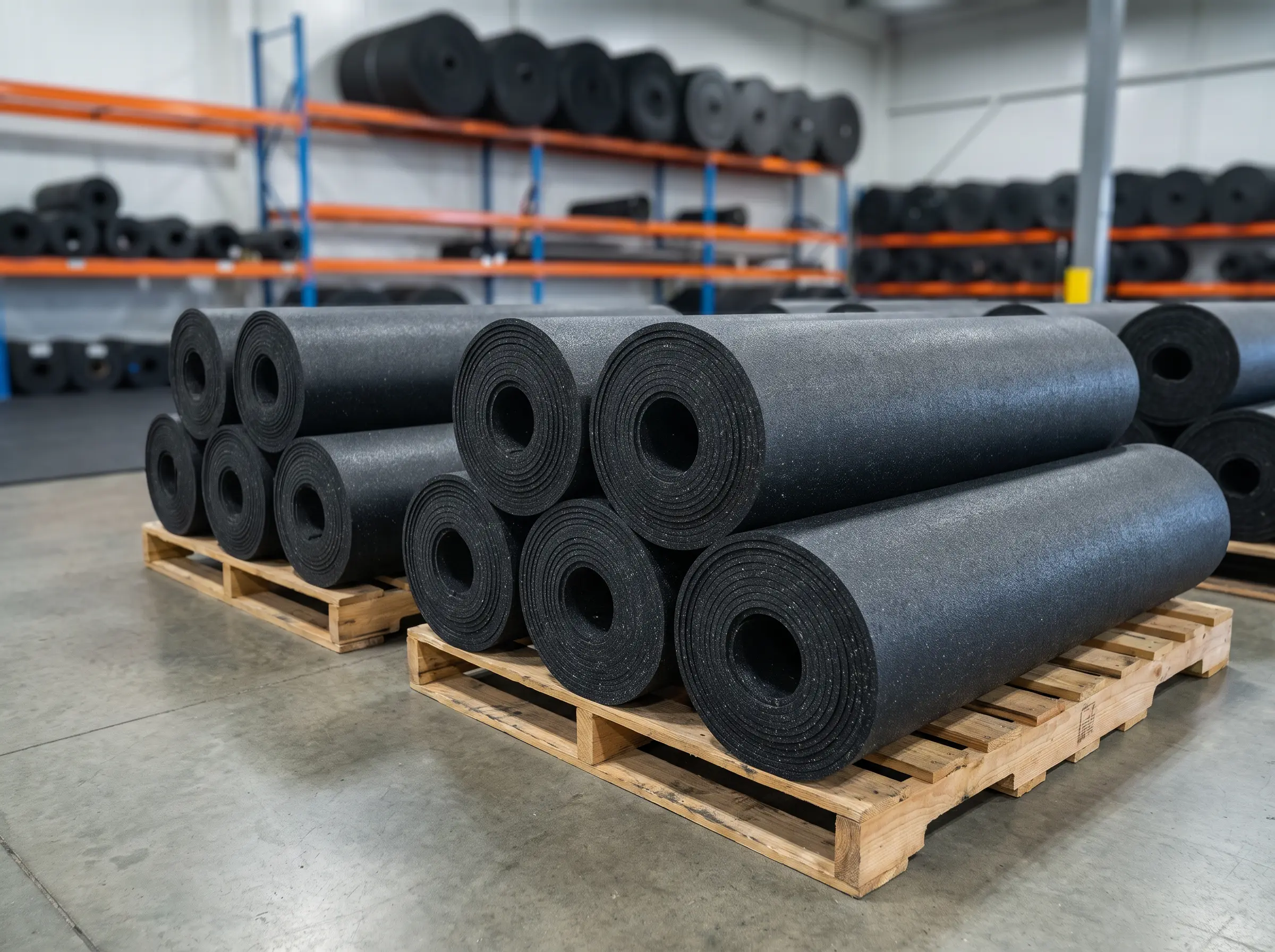
Engineering Surface Protection for Extreme Wear, UV Exposure, and Heavy Loads
Specifying rubber flooring outdoor systems protects subfloors from constant mechanical stress. Heavy vehicle traffic and livestock movement place continuous loads on exposed surfaces.
Environmental factors like UV exposure and moisture add extra strain. Sunlight degrades unprotected materials, while standing water accelerates surface wear.
Installing continuous vulcanised sheets resolves these combined site pressures across loading ramps, transport units, and walkways.
Structural Durability in Rubber Flooring Outdoor Projects
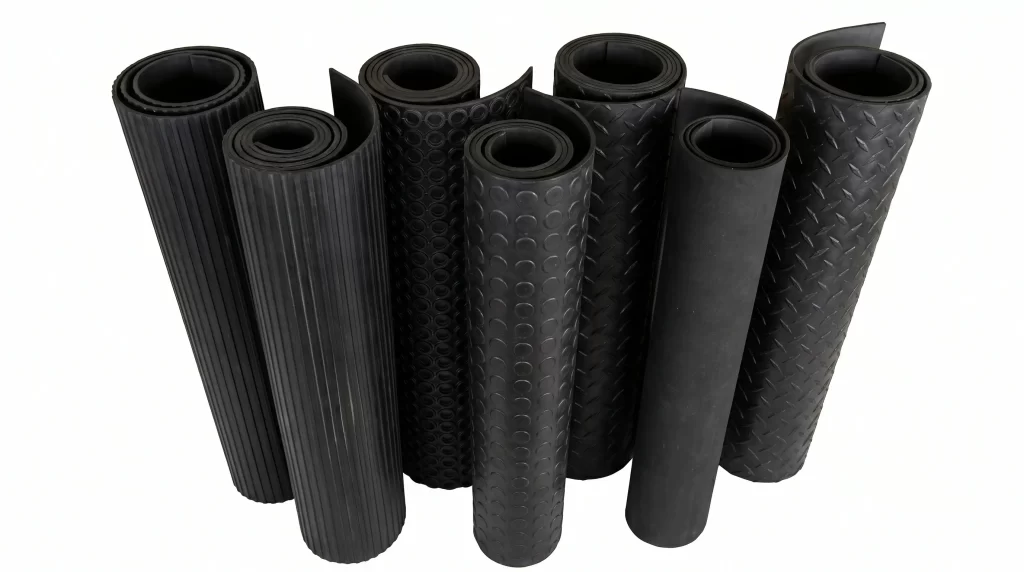
The vulcanisation process cross-links the rubber compound during manufacturing. This mechanical bond increases overall structural stability and material density.
Because of this dense network, vulcanised sheets resist ozone cracking under sustained sun exposure. This feature is essential for weather resistant rubber sheets in exposed areas.
These heavy duty rubber sheeting options also maintain flexibility across seasonal temperature swings. The material avoids brittleness during cold winter conditions and prevents softening in summer heat.
Industrial compound stability provides strong resistance to oils and fuels. This surface protection is vital in loading docks where chemical spills occur regularly.
Impact Absorption and Subfloor Protection
Heavy duty rubber sheeting absorbs mechanical shock before impact forces reach the subfloor. This protective layer reduces cumulative surface damage from repeated heavy loads.
Unprotected concrete surfaces are vulnerable to point loads. Forklift wheels, equipment feet, and vehicle tyres concentrate high pressure on small contact areas.
A continuous rubber barrier distributes that mechanical weight evenly across the surface. As a result, concrete cracking and surface spalling decrease over time.
Transport trailers benefit from durable rubber flooring outdoor installations in the same way. The resilient material cushions livestock hoof impact, which protects both the vehicle deck and the animals.
Traction Performance in Wet Conditions
Wet outdoor surfaces present a serious operational hazard. Standard smooth floors lose friction quickly when water accumulates on the surface.
Specialised anti slip outdoor rubber rolls eliminate this safety risk through engineered surface texturing. Textured patterns channel rainwater away from direct shoe and tyre contact points.
This efficient water-shedding action maintains friction during heavy rainfall. Consequently, foot traffic and vehicle movement remain safe in all weather conditions.
Site managers select texture depth based on specific location exposure. Areas with frequent water contact require deeper surface patterns to ensure maximum grip.
Targeted Industrial Applications
Different outdoor zones require tailored technical specifications:
- Loading ramp rubber matting: Engineered for concentrated wheel loads, high friction, and secure edge fixing under heavy traffic.
- Livestock Transport Trailers: Designed for strong impact absorption, urine resistance, and vibration dampening during movement.
- Outdoor Walkways: Specified with strong UV stability and moderate texture depth for safe pedestrian passage.
Outdoor Installation Standards
Installers must plan for thermal expansion during fitting. Rubber sheets expand and contract slightly with seasonal temperature changes.
Contractors must build adequate expansion gaps into the floor layout. This simple precaution prevents material buckling during hot weather cycles.
Proper edge fixing is equally crucial when deploying rubber flooring outdoor products. Secure perimeter fastening prevents wind lift and edge curling over long service periods.
Subfloor preparation requires a level, well-drained foundation. Site teams must correct surface irregularities before laying industrial surface protection products.
Correct installation extends total product service life significantly. These technical standards reflect Rubbersan’s engineering approach to outdoor surface protection.