
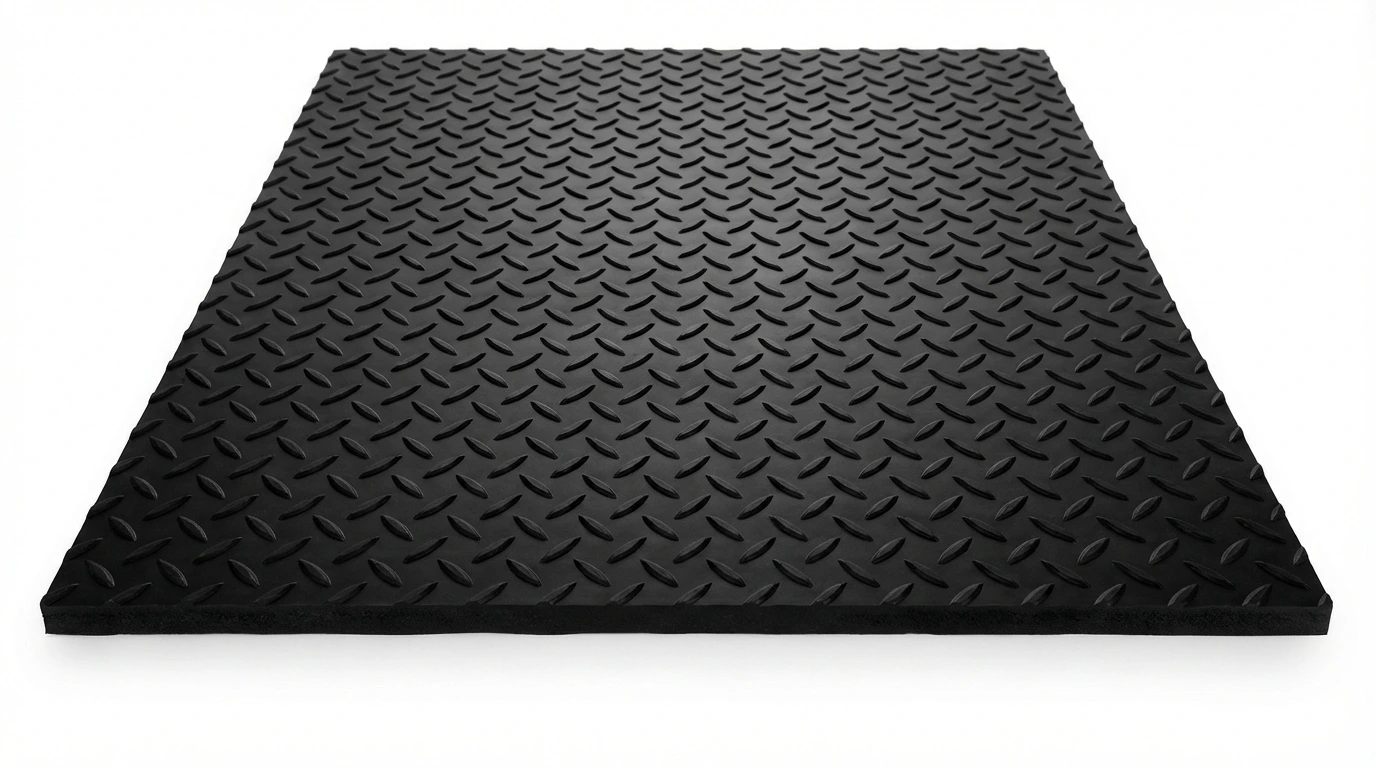
In busy industrial environments, flooring is rarely given much attention until critical operational problems begin to appear. Constant pedestrian traffic, heavy pallet movement, forklift operations, machinery vibration, and occasional impact loading all place significant demands on floor surfaces. Over time, concrete begins to wear, cracks emerge, maintenance requirements increase, and slip hazards become more difficult to control.
For maintenance managers and facility operators, these issues extend well beyond appearance. Damaged flooring can contribute to safety incidents, equipment wear, increased cleaning requirements, and costly repair programmes that often provide only temporary relief.
This is where industrial rubber flooring rolls offer a practical and proven solution. Designed to withstand demanding operating conditions, they provide a durable protective layer that improves safety, reduces wear on underlying substrates, and helps create more comfortable working environments. Whether installed in manufacturing plants, warehouses, workshops, logistics centres, or commercial facilities, rubber flooring continues to deliver reliable performance where conventional surfaces often struggle.
The following sections examine five key benefits that make high traffic rubber flooring a preferred choice in demanding industrial environments.
1. Outstanding Wear Resistance and Structural Durability Under Heavy Loading
Industrial flooring is exposed to continuous mechanical stress. Daily foot traffic, pallet trucks, rolling equipment, and material handling operations gradually wear away conventional floor surfaces, particularly in transport corridors where movement is heavily concentrated.
One of the greatest advantages of high traffic rubber flooring is its ability to withstand these demanding conditions without suffering the rapid deterioration commonly associated with painted surfaces, coatings, or untreated concrete. Unlike rigid materials, rubber possesses a natural ability to absorb and distribute loads. This reduces localised stress concentrations and helps maintain the integrity of the flooring over extended periods of service.
Modern flooring products are manufactured using carefully engineered elastomer compounds, including SBR, NBR, EPDM, or specialised blends selected according to the operating environment.
Typical Performance Characteristics:
- High Abrasion Resistance: Excellent volume loss parameters under continuous shear stress.
- Excellent Tear Strength: Resistant to sharp objects and heavy industrial equipment scraping.
- Low Compression Set Values: Exceptional resistance to compression and permanent deformation under static loads.
Premium-Grade Material Specifications:
- Shore A Hardness: Formulated between 55 and 80 depending on the application.
- Tensile Strength: Ranging from 3 to 15 MPa for maximum structural durability.
- Elongation at Break: Between 200% and 500% to ensure material flexibility.
In areas exposed to particularly severe conditions, wear resistant rubber sheets can provide an additional level of protection against abrasion, impact, and concentrated loading. This not only extends the lifespan of the flooring itself but also reduces the frequency of maintenance interventions and replacement works.
2. Advanced Workplace Safety Compliance and Slip Prevention
Workplace slips and falls continue to be among the most common causes of injuries in industrial and commercial environments. Areas exposed to water, oils, lubricants, cleaning chemicals, or process residues present an elevated risk that must be carefully managed.
The installation of anti slip rubber flooring rolls provides an effective means of improving traction and reducing the likelihood of accidents. Unlike smooth concrete or painted floors, rubber flooring maintains a high coefficient of friction even when exposed to moisture or industrial contaminants.
To optimize underfoot stability, these rolls can be specified with targeted surface profiles:
- Fine or Broad Ribbed Surfaces: Ideal for linear runways and directional packing lanes.
- Diamond-Pattern & Checker Plate Designs: Excellent for multi-directional traction and heavy plant transit.
- Coin-Pattern Textures: Perfect for standard warehouse logistics whilst remaining easy to clean and wash.
For organisations operating under strict health and safety programmes, integrating heavy duty rubber matting forms part of a broader strategy to reduce workplace incidents and maintain strict compliance with European occupational safety requirements.
3. Superior Impact Absorption, Vibration Isolation, and Acoustic Noise Reduction
Industrial facilities generate constant vibration and impact energy. Machinery, production equipment, dropped tools, and material handling operations all contribute to the transmission of forces through the building structure.
One of the most valuable characteristics of rubber flooring is its ability to function as highly effective impact absorption flooring. Unlike concrete, which transfers impact forces directly into the substrate, rubber absorbs and dissipates energy through elastic deformation.
Key Industrial Advantages:
- Vibration Isolation: Reduced transmission of heavy machinery vibration through the slab.
- Acoustic Dampening: Lower ambient noise levels within busy production and packaging areas.
- Asset Protection: Safeguards expensive components and tooling against drop damage.
- Ergonomic Comfort: Reduced physical fatigue and joint strain for employees who spend long periods standing.
Noise reduction is often an overlooked benefit. Hard surfaces tend to reflect sound, contributing to elevated noise levels throughout a facility. Rubber flooring helps absorb a portion of this acoustic energy, resulting in quieter working conditions that improve both safety communication and shop floor comfort.
4. Asset Protection: Preventing Base Floor Degradation and Substrate Failure
Replacing damaged concrete flooring is both expensive and disruptive. In many facilities, floor repairs require work areas to be closed, equipment to be relocated, and production schedules to be drastically adjusted. For this reason, protecting the underlying substrate should be viewed as a long-term asset management strategy.
A heavy-duty commercial rubber flooring roll acts as an impermeable protective barrier between daily operations and the structural floor beneath. Without adequate protection, bare concrete surfaces are highly vulnerable to surface cracking, chemical penetration, moisture ingress, and spalling.
Rubber flooring helps prevent this structural deterioration by distributing concentrated loads, absorbing sudden impact energy, and shielding concrete surfaces from aggressive industrial cleaning fluids or vehicle leaks. The result is a substantial reduction in sub-surface repair requirements and a significant extension of the building’s infrastructure lifecycle.
5. Long-Term ROI Through Minimal Maintenance and Lower Total Cost of Ownership
Initial purchase price is only one component of a flooring investment. Experienced procurement teams understand that the true value of a flooring system is determined by its performance and upkeep costs throughout its entire service life (Total Cost of Ownership – TCO).
This is where a high-quality commercial rubber flooring roll delivers a decisive financial advantage. Rubber flooring requires relatively little maintenance compared with alternative resin or epoxy flooring solutions; it does not require frequent recoating, extensive curing times, or ongoing chemical surface treatments to maintain its performance.
Operational Cost Benefits:
- Fast Installation: Large-format flooring rolls simplify deployment, reducing the number of seams and structural joints across the floor surface.
- Straightforward Maintenance: Simple routine washing procedures with lower labor costs associated with upkeep.
- Minimal Operational Disruption: Can be installed in phases without requiring long facility shutdowns.
For facilities operating around the clock, avoiding unnecessary operational shutdowns generates commercial savings that far exceed the initial flooring investment.
Conclusion: Engineering Reliable Lifecourse Solutions
From a lifecycle perspective, industrial flooring should be evaluated on its ability to withstand daily operational demands whilst simultaneously protecting personnel and infrastructure. The combination of durability, slip resistance, impact absorption, vibration isolation, and substrate protection makes industrial rubber flooring rolls one of the most effective solutions available for modern high-traffic zones.
When correctly specified and installed, premium heavy duty rubber matting and engineered rubber sheets continue delivering reliable service for many years under the most demanding operating conditions.
Speak with Our Engineering Team
Every industrial facility presents its own unique operational challenges. Selecting the correct material compound, thickness, surface profile, and mechanical specification is essential to achieving optimum performance.
Our engineering and sales team can assist your procurement department with:
- Custom dimensions and tailored roll configurations.
- Bulk procurement programmes for international facilities.
- Material compound selection (including specialized SBR, NBR, and EPDM options).
- Providing Technical Data Sheets (TDS) and application-specific recommendations.
Contact us today to discuss your project requirements, request technical documentation, or obtain a tailored quotation for your facility.